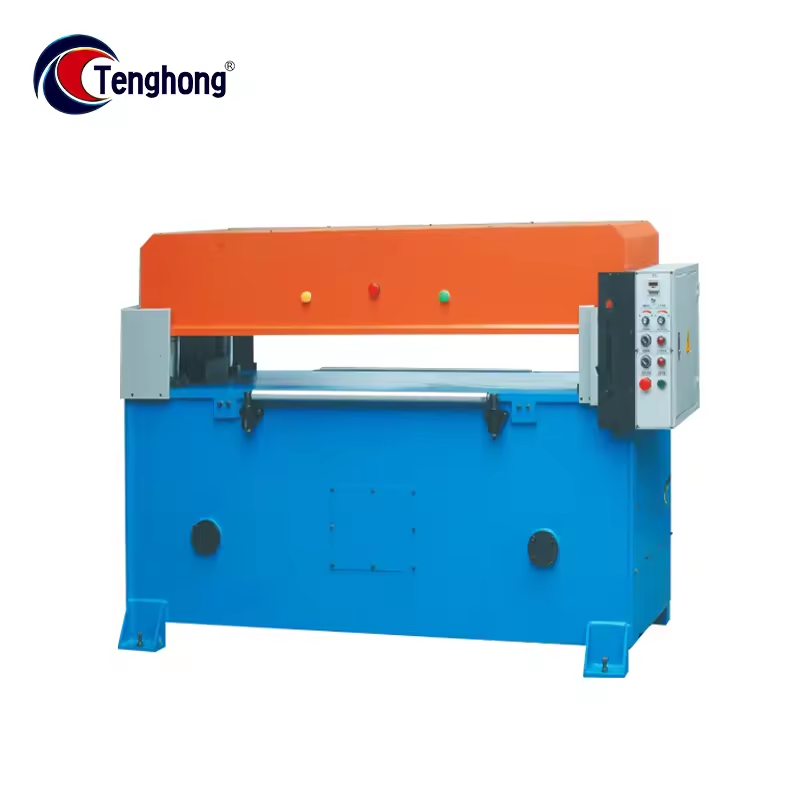
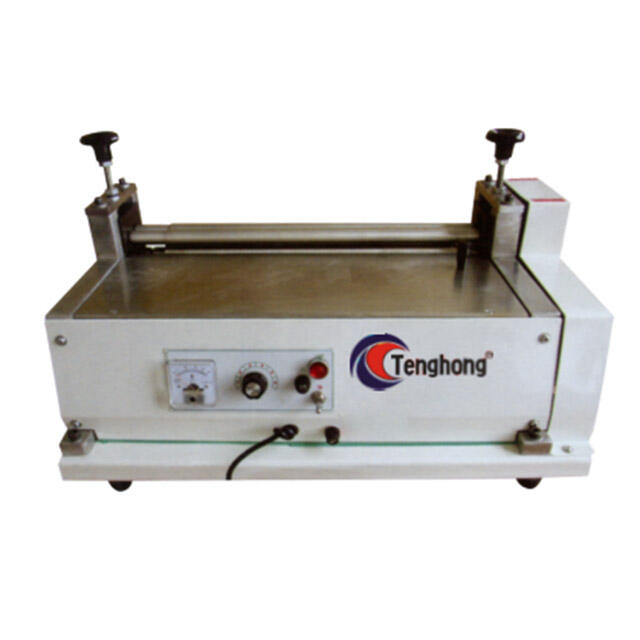
Why choose footwear making machine price options?

All Categories

Cost-Optimized Footwear Making Machine Price Solutions for Scalable Factory Production

he footwear making machine price directly shapes budget, throughput, and ROI for factories planning capacity upgrades. From cutting and stitching to molding and finishing, buyers need transparent total cost structures that include energy use, tooling wear, maintenance, and software. A competitive footwear making machine price pairs durable hardware with PLC control, automatic feeding, and fast mold changes that minimize downtime. When comparing suppliers, evaluate not only the listed footwear making machine price but also cycle speed, yield, and integration with existing lines. CE/ISO compliance, remote diagnostics, and IIoT data support reduce risk while improving traceability. A value-driven footwear making machine price should also cover training and after-sales parts to stabilize ramp-up phases. By aligning specification, service, and scalability, a well-negotiated footwear making machine price helps manufacturers protect margins.
Get A Quote

footwear making machine price

Selecting the right footwear making machine price yields measurable gains across cash flow, utilization, and product quality. The best quotations bundle automation, energy efficiency, and modular upgrades so CFOs can project costs accurately while engineers hit takt time. Beyond sticker cost, a disciplined footwear making machine price framework considers OEE, spare part availability, and software updates. With PLC control, intelligent temperature profiling, and quick-change tooling, plants achieve repeatability and faster changeovers. Low-noise, low-vibration designs protect operators and reduce hidden compliance costs. When a supplier couples financing options and predictable service rates to a stable footwear making machine price, factories unlock faster payback periods, smoother commissioning, and consistent yields across leather, fabric, and synthetic SKUs.

Lifecycle Cost Clarity Beats Low Sticker Quotes

A transparent footwear making machine price model that includes consumables, preventive maintenance, and training avoids surprises during peak seasons. By mapping energy draw, lubrication intervals, and wear parts to real takt-time, managers compare true cost per pair instead of chasing the lowest initial number. Clear spare-part SLAs, software licenses, and remote diagnostics inside the footwear making machine price shorten downtime and stabilize OEE across shifts, ensuring budgets match reality while quality targets are met without emergency purchasing.

Automation and OEE Drive Shorter Payback

An automation-ready footwear making machine price with PLC, auto-feeding, and quick mold changes compresses cycle times and reduces rework. When yield rises and material waste falls, each pair carries fewer overhead minutes, accelerating ROI. Including sensors, vacuum alignment, and error-proofing within the footwear making machine price improves first-pass yield, while energy-saving motors trim utility bills. The combined effect—higher throughput and lower scrap—turns capital outlay into reliable monthly savings.

Modular Upgrades Protect Future Budgets

A modular footwear making machine price lets plants add robotic loading, IIoT dashboards, or extra stations as orders grow. This avoids full replacement cycles and preserves operator training investments. By standardizing interfaces and firmware, expansions slip into planned maintenance windows. Locking predictable upgrade fees into the footwear making machine price keeps technology current while keeping total ownership costs controlled across multi-style footwear programs.

Related Products

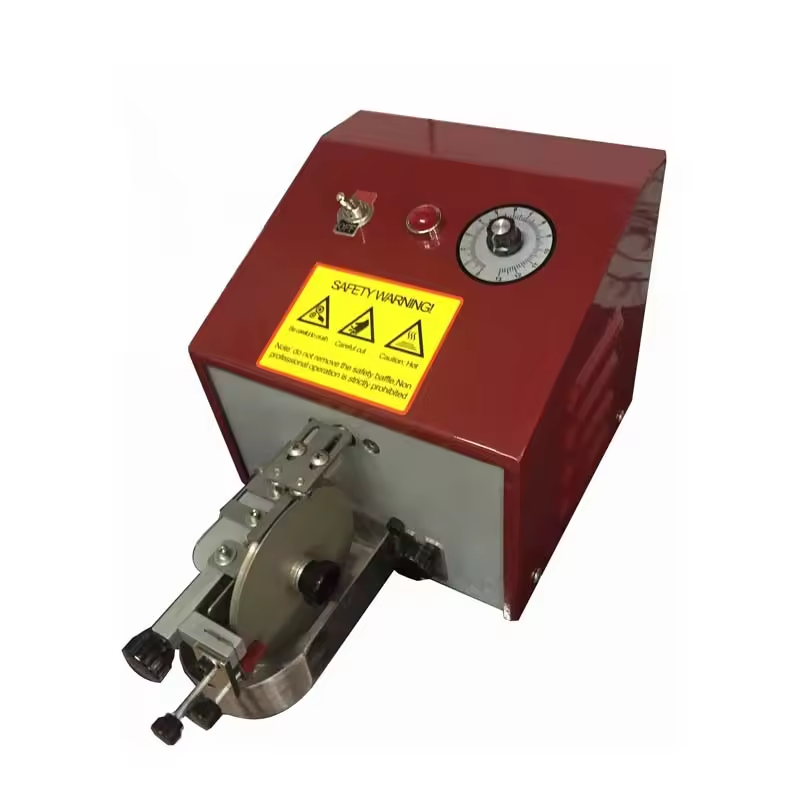
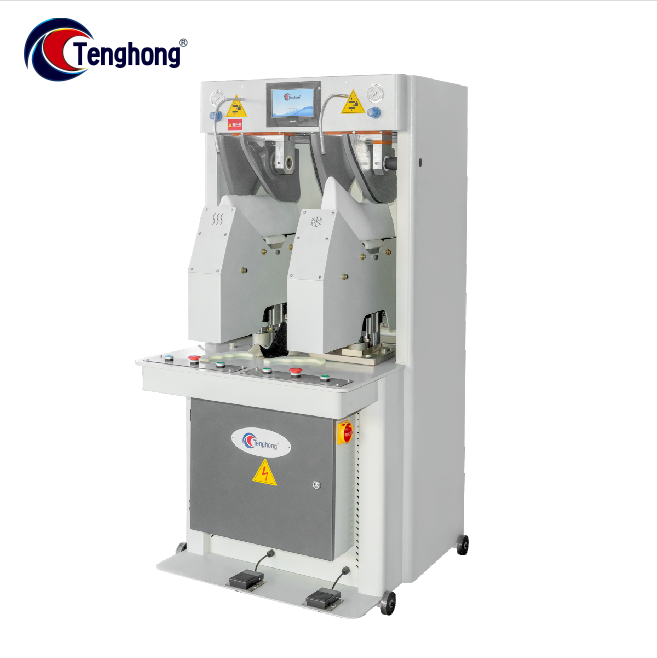
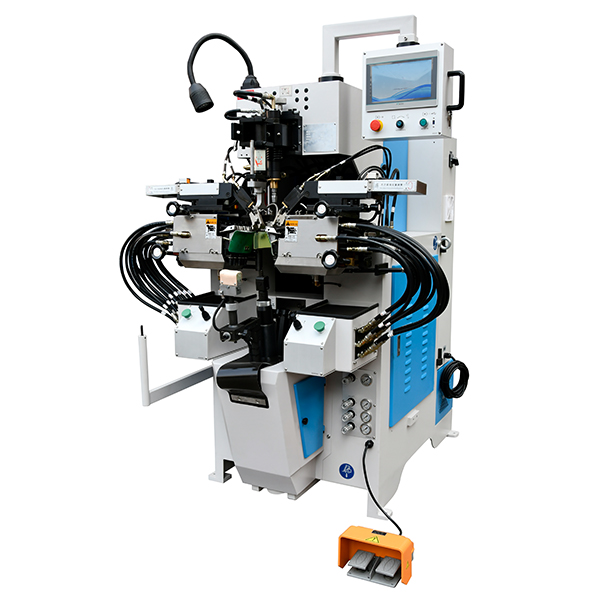
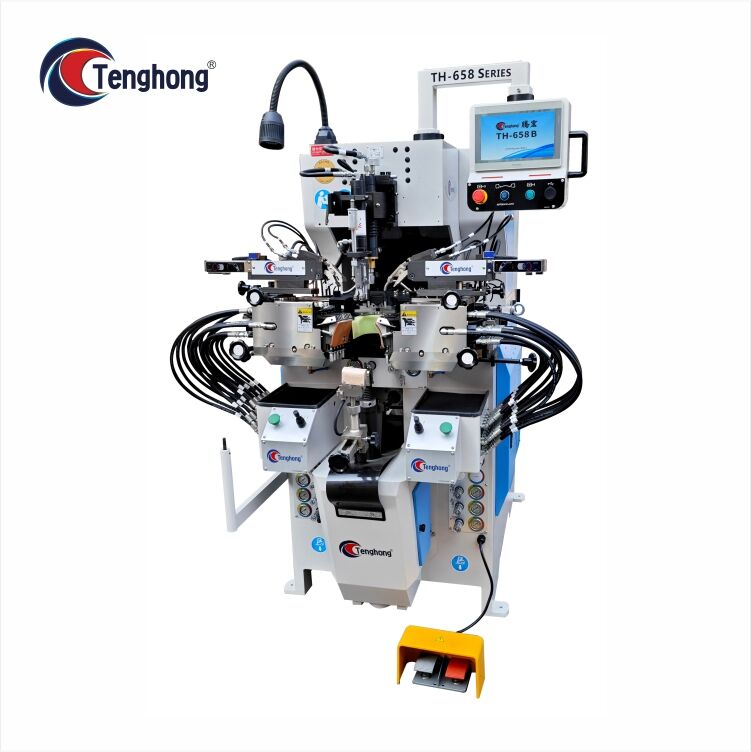
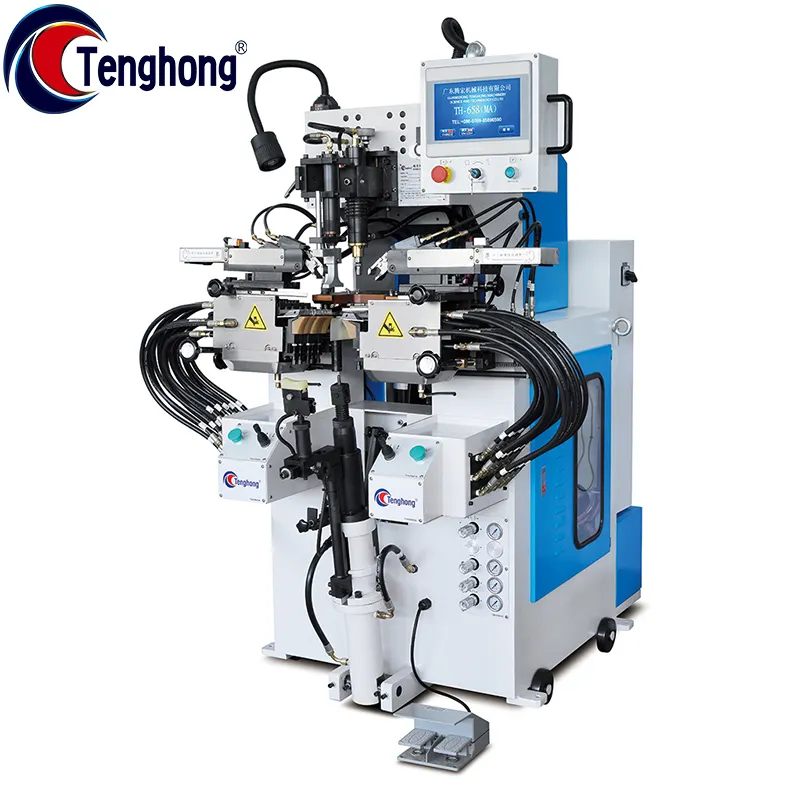
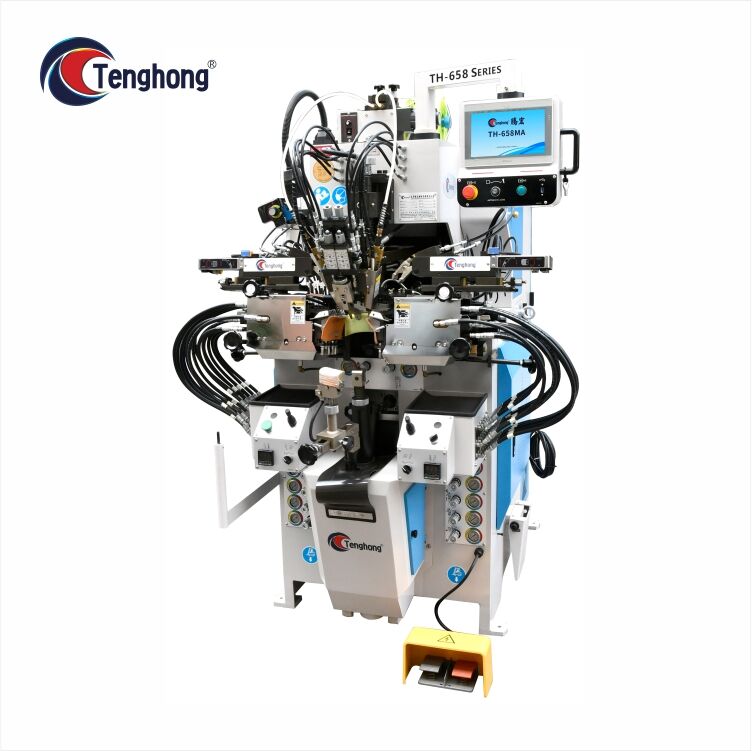
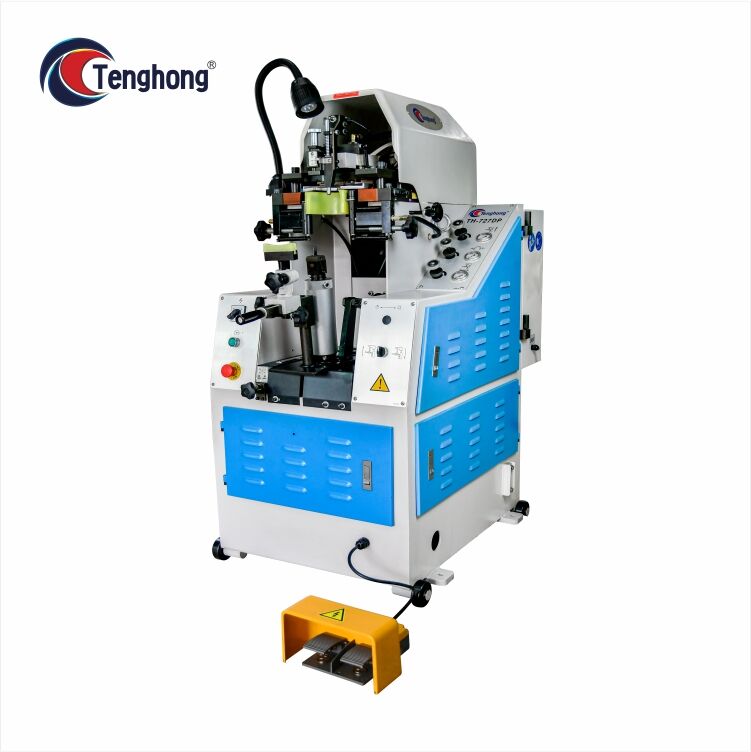
Built for industrial throughput, systems in this class combine precision cutting, stitching, molding, and finishing with PLC control and multi-language HMIs. A competitive footwear making machine price typically includes automatic feeding, vacuum positioning, and intelligent temperature/pressure profiles to ensure consistent bonding. Energy-efficient drives, dust extraction, and auto-lubrication cut operating costs, while CE/ISO compliance and emergency stop circuits strengthen safety. Quick-change molds support size runs and seasonal styles without long changeovers. CAD import, RFID tracking, and IIoT connectivity enable traceable lots and remote diagnostics. When assessing the footwear making machine price, factor in training, commissioning, and spare kits; these elements compress ramp-up timelines, stabilize first-pass yield, and protect margins in high-mix footwear manufacturing.

Guangdong Tenghong Machinery Technology Co., Ltd. is a solutions-driven manufacturer specializing in advanced equipment for shoe and bag production since 2000. Headquartered in Houjie, Dongguan, the company focuses on turning engineering rigor into predictable outcomes for global factories. For buyers comparing footwear making machine price proposals, Tenghong emphasizes measurable lifecycle value: durable frames, energy-saving drives, and PLC architectures that are simple to operate yet robust for three-shift duty. Over 150 engineers and technicians power an integrated R&D and production workflow, aligning mechanical design, electronics, and software so customers receive consistent performance from FAT to mass production.

Tenghong’s portfolio spans cutting, stitching, molding, vulcanizing, roughing, finishing, and automated handling. Each platform is built around maintainability—clear cable routing, modular boards, standardized actuators, and accessible wear parts. When customers scrutinize total ownership beyond a quoted footwear making machine price, they find tangible safeguards: CE/ISO certifications, ISO9001-based quality systems, and traceable components from vetted suppliers. This discipline reduces variability in high-mix environments where leather, fabric, and synthetic materials demand different thermal and pressure profiles.

Service is structured to de-risk commissioning. Pre-sale consulting translates target takt time and yield into machine configurations and line balancing. During installation and debugging, field teams calibrate temperature, pressure, and alignment windows to local materials and adhesives. Post-sale, remote diagnostics, firmware updates, and spare-part SLAs maintain uptime. By bundling training and maintenance planning, Tenghong helps customers convert a quoted footwear making machine price into a predictable payback schedule anchored by OEE improvements and scrap reduction.

The company’s culture blends practical engineering with continuous improvement. Lessons from global deployments—Southeast Asia, Europe, and other regions—feed back into enclosure design, HMI usability, and energy management. Whether a plant needs a compact cell for new SKUs or a multi-station line upgrade, Tenghong scales solutions without forcing a full retrain. Financing support and structured upgrade paths further stabilize budgets, letting manufacturers phase in robotics, IIoT dashboards, or extra tooling under a controlled footwear making machine price framework. The result is a long-term partner who aligns machine capability, service discipline, and total cost with the realities of industrial footwear production.
FAQ

How do I compare footwear making machine price across different suppliers fairly?

Look beyond the sticker number and model the full lifecycle. Normalize the footwear making machine price to cost per pair by including energy draw at your takt time, planned maintenance, wear parts, tooling, software updates, operator training, and expected yield. Request cycle-time proofs with your materials, CE/ISO certificates, and spare-part SLAs. Map downtime risks and remote diagnostics into the comparison. This creates an apples-to-apples total cost view, revealing which footwear making machine price truly supports stable OEE and faster payback.
Automation (auto-feeders, quick mold changes), PLC features, sensor packages, dust extraction, and energy-efficient drives affect both footwear making machine price and operating cost. Options that raise first-pass yield—precision alignment, temperature/pressure profiling, and error-proofing—often repay quickly. IIoT connectivity and remote service keep uptime high. Choose bundles where added cost reduces scrap, labor minutes, and changeover time; the right footwear making machine price will net lower cost per pair and shorter payback.
Align financing with the ramp-up curve. Match payments to realistic productivity gains and seasonality. Include training, spare kits, and commissioning within the footwear making machine price to avoid cash spikes. Set performance milestones—cycle time, yield, and downtime—so service credits or extended warranties trigger if targets slip. With predictable parts pricing and remote diagnostics, the footwear making machine price becomes a stable monthly cost supported by measurable OEE improvements.

More Posts

Leather Shoe Making Machines for Crafting Premium Footwear

01

Nov

Leather Shoe Making Machines for Crafting Premium Footwear

Discover premium leather shoe making machines by Teng Hong Machinery, blending innovation and tradition for superior footwear production.
View More
Thermal Regulation Strategies for Extended Tooling Component Service Life

20

Mar

Thermal Regulation Strategies for Extended Tooling Component Service Life

Explore how thermal stress affects tooling components and discover strategies for effective thermal regulation. Learn about TengHong Machinery's advanced solutions to enhance component longevity and productivity.
View More
Precision Engineering in Shoe Molding Machines: Achieving Consistent Boot Shapes

13

Jun

Precision Engineering in Shoe Molding Machines: Achieving Consistent Boot Shapes

Discover the science behind consistent boot shapes in shoemaking. Explore thermal dynamics, pressure control, and predictive maintenance strategies that enhance precision and efficiency in production. Learn about modern innovations like intelligent heating stations and advanced sensors in shoe molding processes.
View More
Optimizing Lasting Machine Performance for Comfortable Shoe Fit

Optimizing Lasting Machine Performance for Comfortable Shoe Fit

Discover the crucial role of shoe making machinery in fit optimization and foot comfort in this comprehensive article. Explore advancements in lasting machines, stitching methods, and alignment techniques that enhance footwear structure and longevity. Learn how precision and adaptability in machinery can significantly influence shoe manufacturing and consumer satisfaction.
View More

Customer Reviews

Javier R. (Operations Director)

“We evaluated five quotes and learned the lowest footwear making machine price wasn’t our best option. Tenghong mapped energy use, tooling life, and maintenance into cost per pair and demonstrated faster changeovers on our leather and fabric SKUs. Their commissioning plan stabilized yield in two weeks. The bundled training and spare kit inside the footwear making machine price kept our ramp smooth, and OEE has risen steadily without emergency parts purchases.”

Linh P. (Plant Manager)

“The deciding factor was lifecycle transparency. The proposed footwear making machine price covered PLC upgrades, remote diagnostics, and clear SLAs. We’ve cut scrap, shortened changeovers, and the dust extraction noticeably improved finishes. Even with a higher initial footwear making machine price, our monthly cost per pair is down because throughput and first-pass yield are up.”

Marcus D. (Procurement Lead)

“Tenghong’s team turned a quote into a plan. Their footwear making machine price spelled out wear parts, service intervals, and response times. We modeled financing to our seasonality and avoided budget shocks. Three months in, uptime beats the contract baseline, and the integrated IIoT dashboard lets us track yield by style. The footwear making machine price we chose has proven the most predictable spend in our capex year.”

Get a Free Quote

Our representative will contact you soon.
Email
Name
Company Name
Message
0/1000
Lifecycle-Driven Pricing That Lowers Cost per Pair

Lifecycle-Driven Pricing That Lowers Cost per Pair

A structured footwear making machine price bundles energy-saving drives, quick changeovers, and training so factories convert capex into predictable, lower unit costs without sacrificing quality or throughput.
Modular Upgrades Keep Budgets Stable Over Time

Modular Upgrades Keep Budgets Stable Over Time

By planning expansions within the footwear making machine price, plants add robotics, sensors, or extra tooling during scheduled maintenance, preserving uptime and avoiding disruptive replacement cycles.
Compliance and Diagnostics Reduce Hidden Risks

Compliance and Diagnostics Reduce Hidden Risks

CE/ISO compliance, e-stops, and remote diagnostics embedded in the footwear making machine price shorten audits, accelerate commissioning, and prevent costly downtime during peak orders.

Related Search