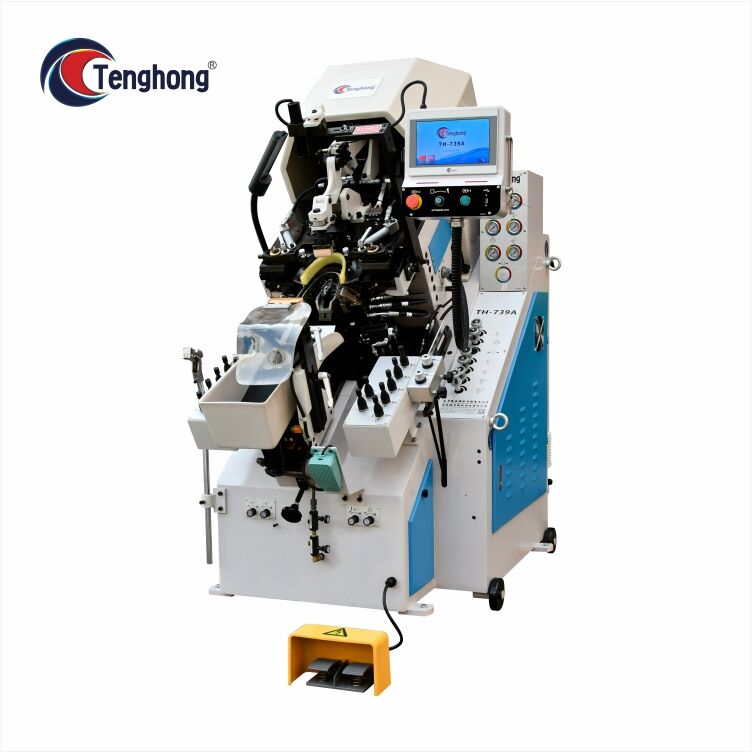
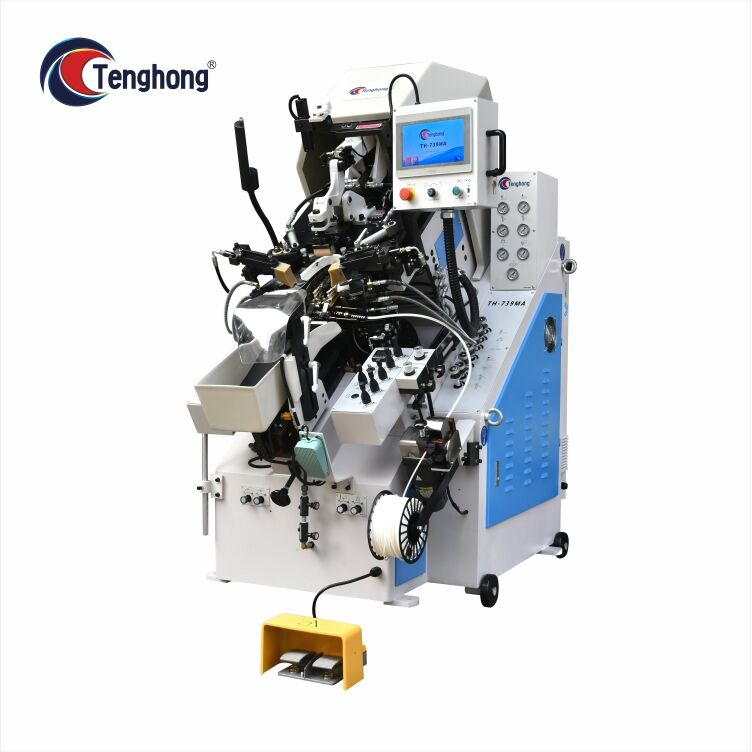
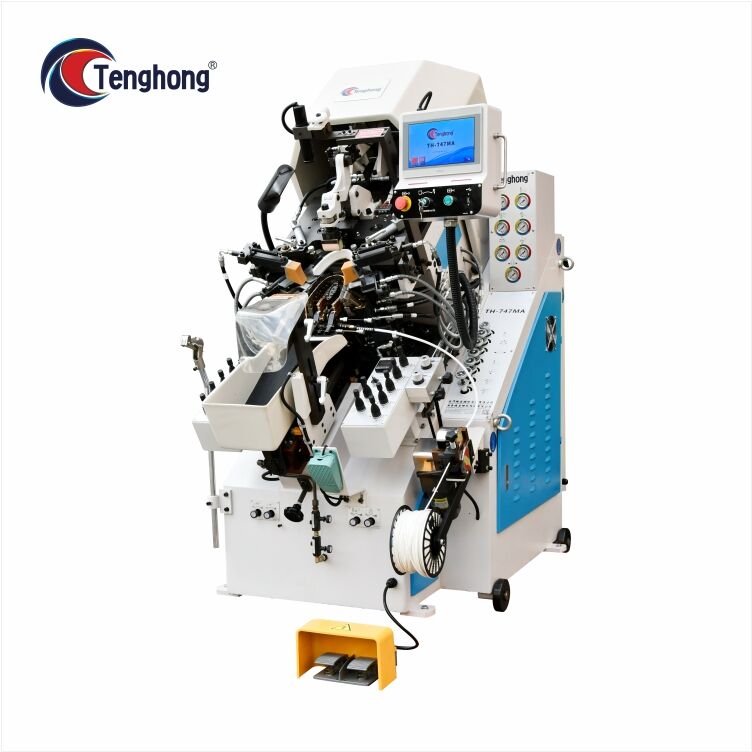
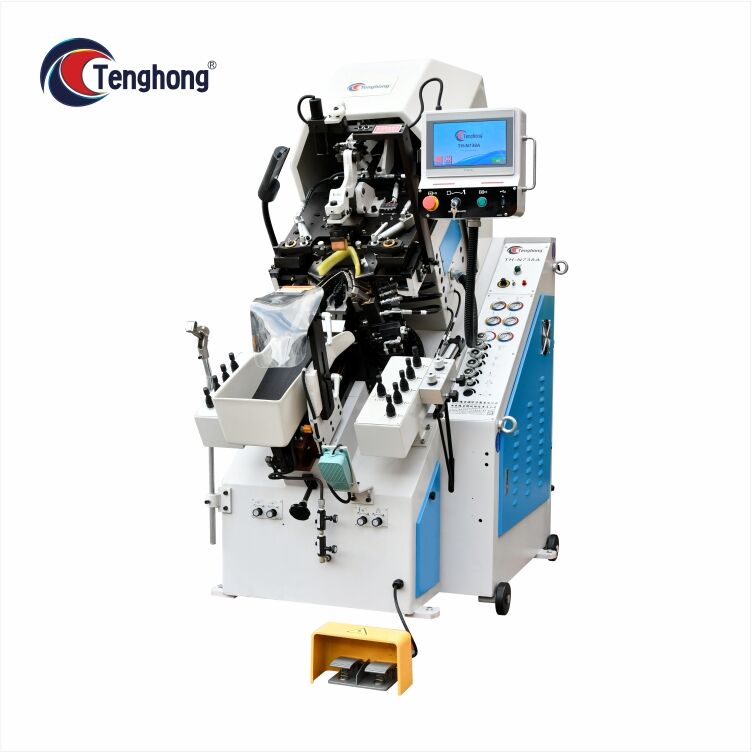
Why is antique shoe making equipment important for factories?

All Categories

What is antique shoe making equipment and why is it valued in the footwear industry?

Antique shoe making equipment refers to the traditional tools and machines once widely used in shoemaking before the rise of automation. These include hand-operated leather cutters, stitching machines, wooden lasts, and sole presses. While not commonly used for large-scale modern production, antique equipment remains valuable for custom shoemakers, collectors, and museums. For B2B buyers, such equipment provides insight into shoemaking heritage, can serve niche artisanal markets, or be displayed to showcase craftsmanship traditions. Understanding antique machinery also highlights how modern technologies have evolved, bridging history with today’s advanced shoemaking solutions.
Get A Quote

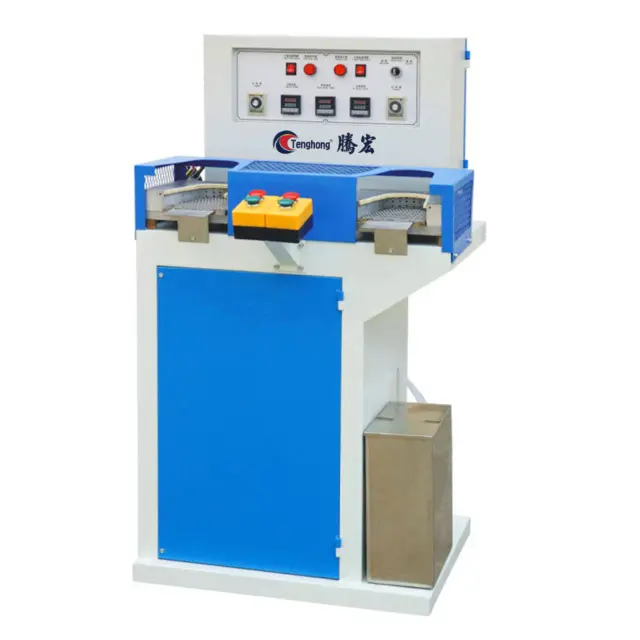
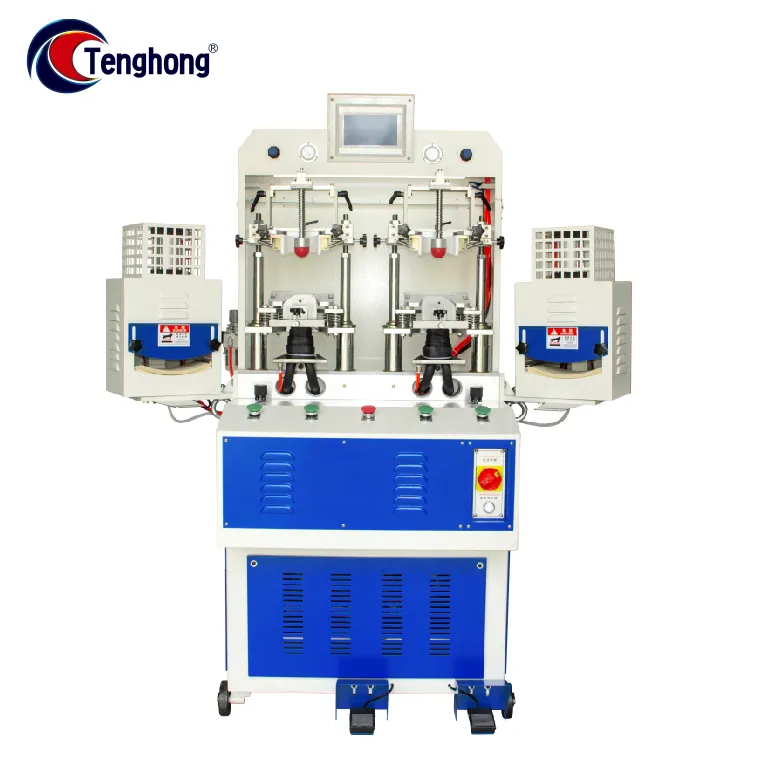
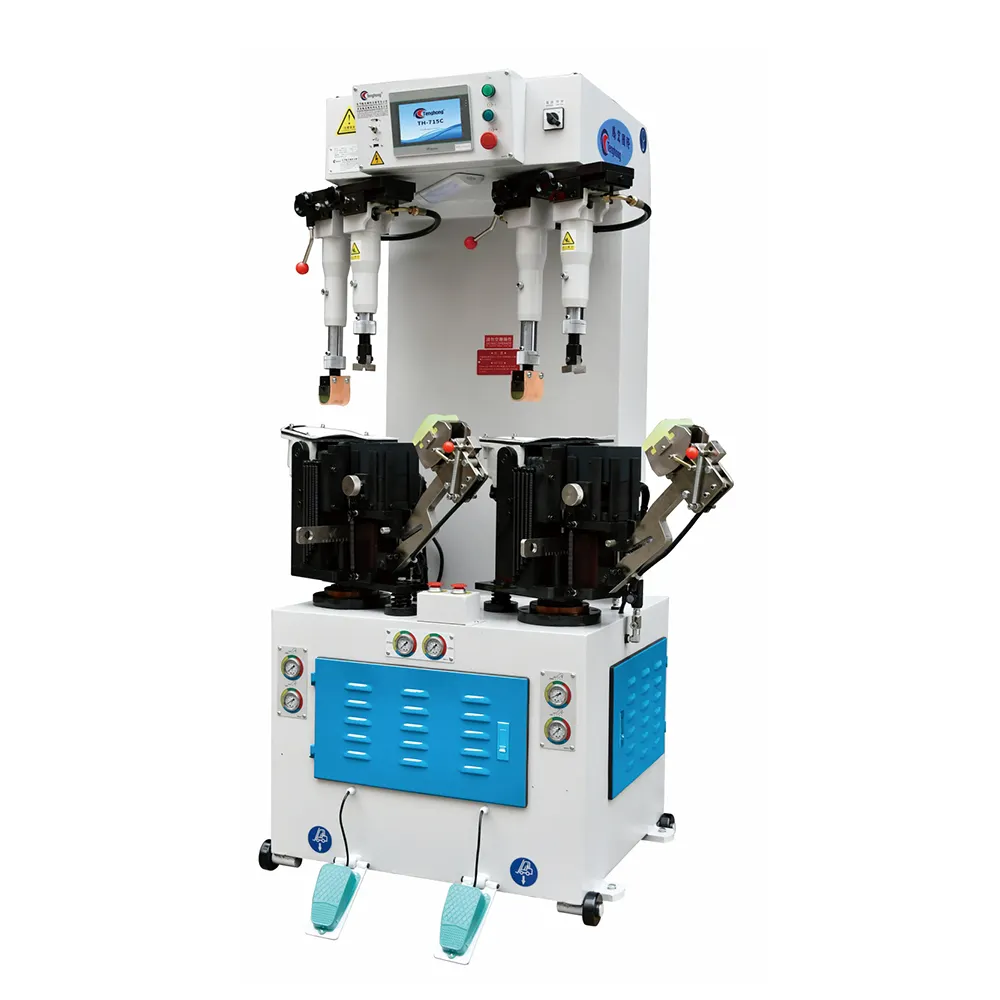
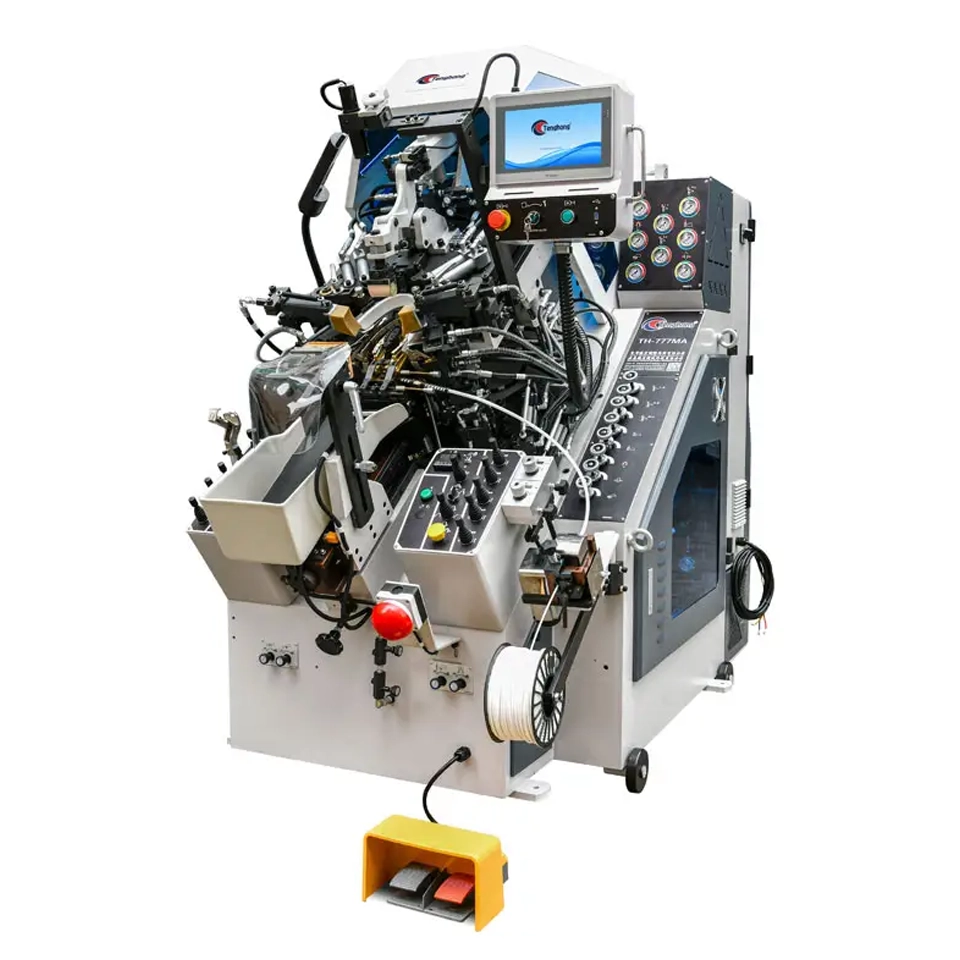
antique shoe making equipment

Though largely replaced by automation, antique shoe making equipment still offers unique advantages. It connects manufacturers with traditional craftsmanship, supports niche artisanal markets, and serves as educational or branding assets. For businesses seeking differentiation, antique equipment provides a story-driven advantage that modern machinery cannot replicate.

Antique shoe making equipment preserves craftsmanship traditions

These machines and tools reflect the manual skills that defined shoemaking for centuries. Using or showcasing them allows manufacturers to emphasize heritage and authenticity. For brands targeting luxury or custom footwear, highlighting craftsmanship through antique equipment adds value and storytelling power, appealing to clients who appreciate artisanal detail and history.

Antique shoe making equipment supports niche production markets

While not suited for mass production, antique shoemaking tools are ideal for small-scale or custom manufacturing. They allow flexibility in design, material handling, and manual finishing. For boutique factories or workshops serving specialized markets, these machines deliver unique products with a level of individuality that modern automation may not achieve.

Antique shoe making equipment enhances branding and education

Antique machines are valuable for showrooms, museums, and training facilities. They illustrate the evolution of shoemaking and can be used in brand storytelling to connect past and present. For manufacturers, displaying such equipment builds customer trust, enriches heritage-focused marketing, and educates new workers about the origins of their craft.

Related Products

Antique shoe making equipment typically includes wooden lasts for shaping shoes, hand-operated stitching machines, sole presses, and cutting knives. Many of these machines required manual strength or simple mechanical systems, offering flexibility but relying heavily on skilled labor. Today, they are valued not only for production in niche markets but also as collectible items that represent the history of shoemaking. Some modern workshops integrate antique equipment for tasks like hand-stitching or leather forming to create exclusive products. Additionally, antique machines are used as decorative or educational displays in footwear factories, showrooms, or trade fairs, helping businesses connect with traditional shoemaking heritage.

Guangdong Tenghong Machinery Technology Co., Ltd., founded in 2000, is a professional enterprise specializing in the development, manufacturing, and global distribution of shoemaking machinery. Headquartered in Houjie, Dongguan, the company has grown into one of the leading names in China’s shoemaking equipment industry.

Tenghong’s primary product line includes modern cutting presses, stitching machines, sole attaching machines, lasting systems, and fully automated production lines. These machines serve manufacturers of leather footwear, sneakers, safety boots, and fashion shoes. Each product is engineered with precision and durability in mind, ensuring reliability for large-scale operations.

Although Tenghong focuses on modern machinery, the company also recognizes the cultural and industrial value of antique shoe making equipment. By studying traditional tools and integrating heritage design principles, Tenghong has improved its modern machinery to balance efficiency with quality craftsmanship. This dedication ensures that while clients benefit from advanced automation, they also inherit shoemaking traditions refined over generations.

Tenghong employs more than 150 professionals, including engineers and R&D experts, who continuously innovate by integrating smart automation, IoT features, and digital control technologies into shoemaking machinery. All products comply with ISO9001 quality standards and CE certifications, allowing Tenghong to export confidently to Europe, Southeast Asia, Africa, and the Middle East.

Beyond products, Tenghong provides end-to-end solutions: pre-sales consultation, customized factory layouts, installation, staff training, and ongoing technical support. This holistic approach guarantees smooth integration of equipment and sustainable factory operations. Clients trust Tenghong not only for machinery but also as a strategic partner in long-term growth.

With over two decades of expertise, Tenghong combines tradition and innovation, serving footwear manufacturers worldwide with high-quality shoemaking solutions. Its vision is to continue leading the industry by respecting shoemaking history while driving modern advancements.

FAQ

What qualifies as antique shoe making equipment?

Antique shoe making equipment refers to traditional machines and tools used before widespread automation. Examples include hand-cranked stitching machines, wooden lasts, manual presses, and leather-cutting tools. These items are generally over 50 years old and valued for their craftsmanship, design, and historical significance. While no longer standard in large factories, they are prized by artisans, collectors, and footwear brands looking to showcase heritage.
Yes, but mostly for small-scale or specialized shoemaking. Antique tools are often slower and require manual skill, making them unsuitable for high-volume production. However, for custom footwear workshops or luxury brands, they provide unique results and add value to products by emphasizing artisanal detail. Many factories also maintain antique machines as backups or for specific hand-finished processes that cannot be replicated by automation.
B2B manufacturers use antique equipment for brand positioning, customer engagement, and heritage display. Showrooms and factory tours benefit from showcasing antique machines, helping brands tell compelling stories about their roots. Some factories also use antique tools in marketing campaigns to highlight craftsmanship. Additionally, antique equipment plays a role in education, training, and museum exhibitions, preserving shoemaking history for future generations.

Related Posts

The Role of Industrial Footwear Making Machines in Large-Scale Manufacturing

01

Nov

The Role of Industrial Footwear Making Machines in Large-Scale Manufacturing

Teng Hong Machinery enhances large-scale footwear manufacturing with efficient, precise machines that boost productivity and product quality.
View More
Automatic Toe Lasting Machines for Precision and Speed

09

Dec

Automatic Toe Lasting Machines for Precision and Speed

Automatic toe lasting machines offer precision and speed in shoe manufacturing, ensuring consistent quality and increased productivity.
View More
Hydraulic Sole Pressing Machines for Stronger Bonding

25

Dec

Hydraulic Sole Pressing Machines for Stronger Bonding

Hydraulic sole pressing machines enhance bonding strength, ensuring durable and reliable shoe sole attachments.
View More
Customizable Shoe Molds: Adapting Molding Machines for Unique Design Requirements

14

Apr

Customizable Shoe Molds: Adapting Molding Machines for Unique Design Requirements

Explore the role of customizable shoe molds in modern manufacturing, where innovation meets consumer demand for personalized footwear. Discover the synergy with stitching technologies, precision molding, and future AI-driven trends to stay competitive in the evolving market.
View More

Customer Reviews

Jonathan P., Custom Footwear Workshop Owner

We purchased antique shoe making equipment for our boutique workshop, and it added a special character to our production. Customers love seeing traditional stitching machines in use, and the handcrafted results set us apart. The equipment may not match the speed of modern machines, but the authenticity it brings is priceless.

Elena R., Footwear Brand Director

Our company invested in antique shoemaking tools for our showroom. They became a powerful marketing element, helping us tell the story of shoemaking traditions and our commitment to craftsmanship. Visitors frequently mention how these machines make our brand stand out compared to competitors.

Samuel T., Footwear Museum Curator

Antique shoemaking machines are central to our exhibits. They demonstrate how far the industry has evolved while honoring the skills of past generations. Acquiring and preserving such equipment allows us to educate visitors and inspire new generations of designers and shoemakers.

Get a Free Quote

Our representative will contact you soon.
Email
Name
Company Name
Message
0/1000
Antique shoe making equipment showcases shoemaking heritage

Antique shoe making equipment showcases shoemaking heritage

These tools represent centuries of craftsmanship and provide an authentic connection to shoemaking history. For B2B businesses, showcasing antique equipment enriches storytelling and enhances brand identity.
Antique shoe making equipment supports niche artisanal production

Antique shoe making equipment supports niche artisanal production

Boutique factories use antique machines to produce unique, handcrafted footwear. While not ideal for mass production, they deliver authenticity and exclusivity valued by premium customers.
Antique shoe making equipment strengthens marketing and education

Antique shoe making equipment strengthens marketing and education

Displaying antique machines in showrooms, museums, or factories creates strong visual impact. They serve as branding tools and educational resources, connecting modern production with its roots.

Related Search