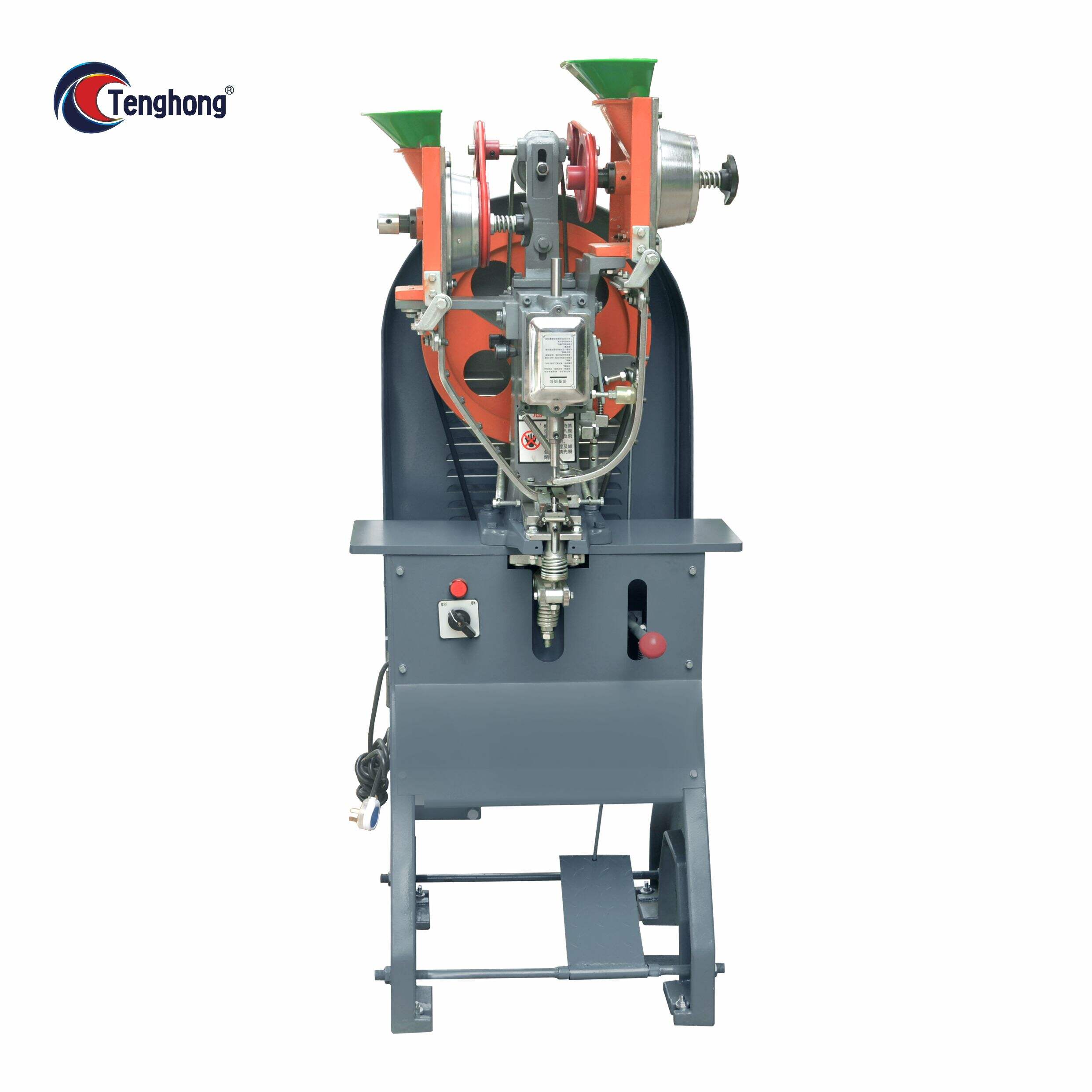
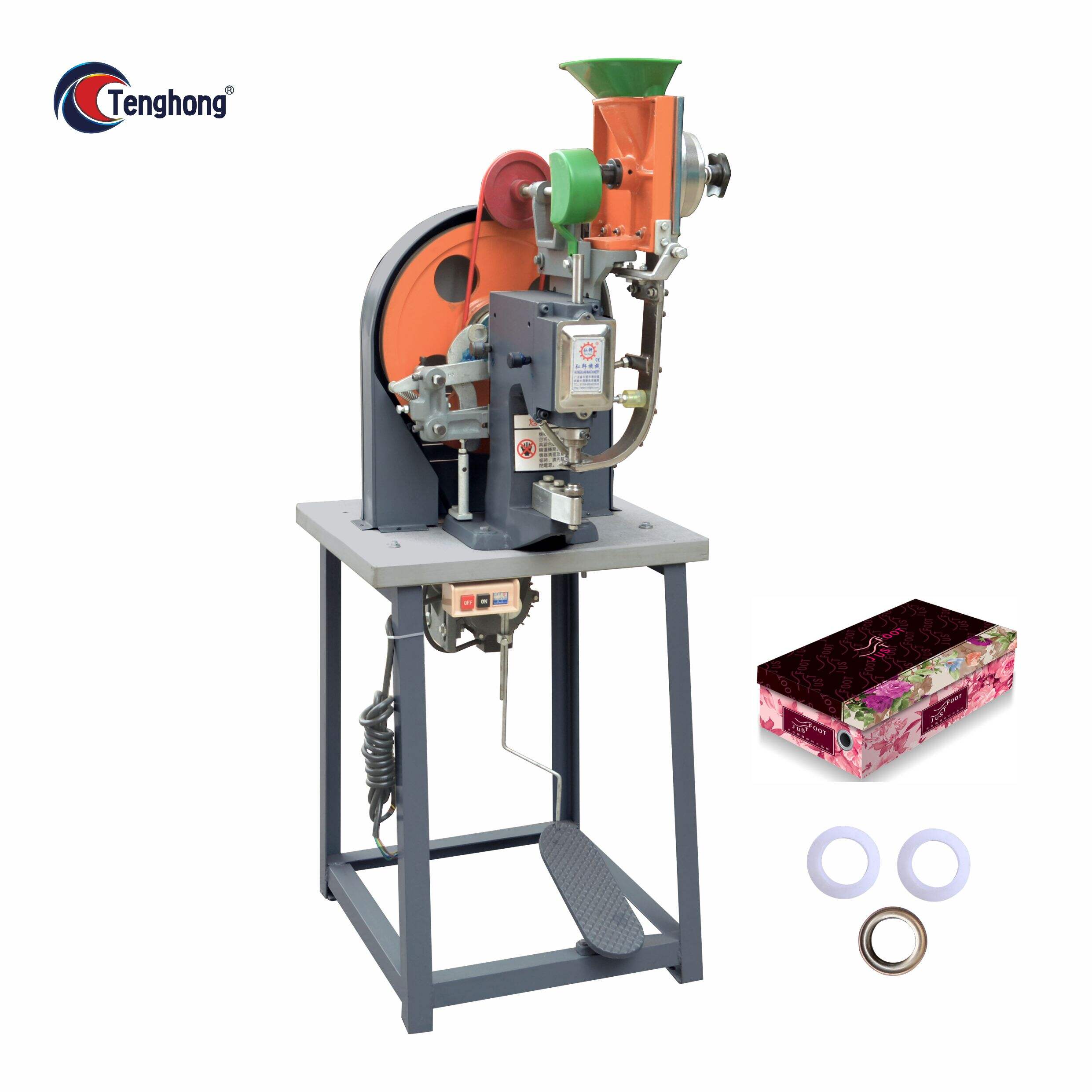
Which tools needed for shoe making are essential?

All Categories

Essential Tools Needed for Shoe Making: Complete Factory Guide

Understanding the tools needed for shoe making is critical for both large-scale factories and boutique workshops. From cutting dies and stitching machines to skiving blades and vulcanizing presses, every tool directly influences cycle time, material yield, and final quality. The correct mix of manual and automated tools needed for shoe making ensures precision in cutting, consistency in bonding, and ergonomics for operators. In industrial setups, these tools are often integrated with CNC systems and PLC-controlled processes, enabling traceability and reduced downtime. For start-ups, selecting scalable tools needed for shoe making—such as modular sewing heads, adjustable molds, and durable hand tools—lays the groundwork for future upgrades without excessive capital strain. Whether for leather, synthetic, or mixed-material footwear, identifying the right tools needed for shoe making guarantees balanced investment, repeatable quality, and long-term competitiveness.
Get A Quote

tools needed for shoe making

Selecting the proper tools needed for shoe making creates long-term benefits in quality, efficiency, and cost. Beyond their immediate function, these tools drive standardization, reduce material waste, and safeguard operators. By balancing automation with durable manual implements, factories ensure flexibility while hitting industrial takt times. Ergonomic designs cut fatigue, CNC-driven tooling enhances precision, and modular upgrades extend usable life. Investing in certified tools needed for shoe making also simplifies audits and improves product traceability. The combined effect is faster throughput, reduced scrap, and stronger margins across diverse footwear lines.

Precision Tools Reduce Scrap and Improve Yield

The right tools needed for shoe making, including high-accuracy cutting dies, skiving blades, and calibrated presses, ensure every material sheet is optimized. Precision reduces wasted leather and synthetic fabrics, cutting hidden costs while stabilizing dimensions across batches. This accuracy lowers defect rates, improves first-pass yield, and strengthens brand reliability without raising material budgets.

Ergonomic Tools Protect Operators and Boost Productivity

Among the tools needed for shoe making, ergonomic stitching machines, balanced hammers, and low-vibration grinders minimize strain during long shifts. When operator fatigue drops, error rates decline and throughput rises. Healthier working conditions also reduce absenteeism and strengthen compliance with safety audits, indirectly boosting ROI.

Modular Tools Extend Lifecycle and Lower Investment Risk

Investing in modular tools needed for shoe making—such as interchangeable molds, upgradable CNC heads, or adjustable presses—prevents costly replacements. Factories can adapt to new SKUs or seasonal demands without full retooling. Predictable upgrade paths stabilize budgets, turning capex into manageable opex while supporting long-term product diversification.

Related Products

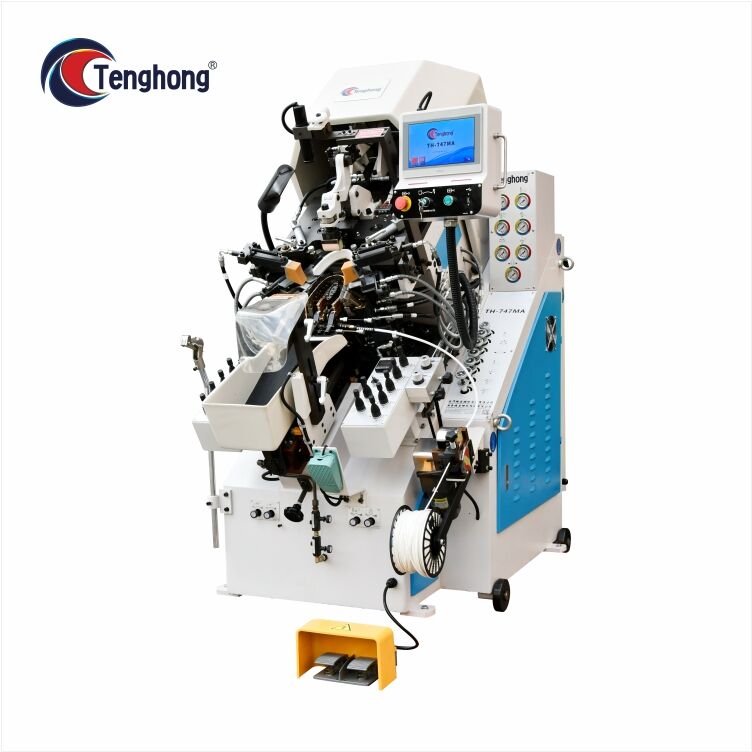
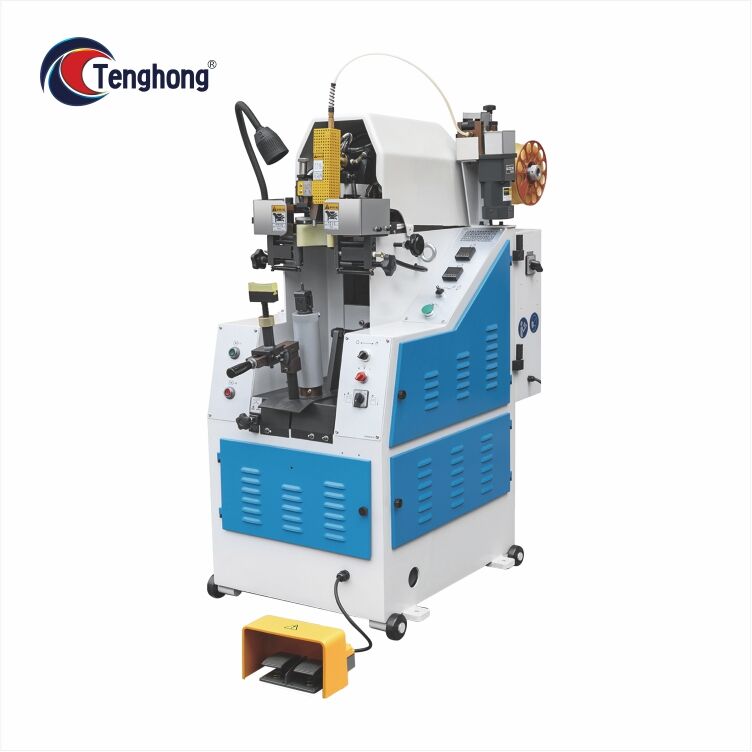
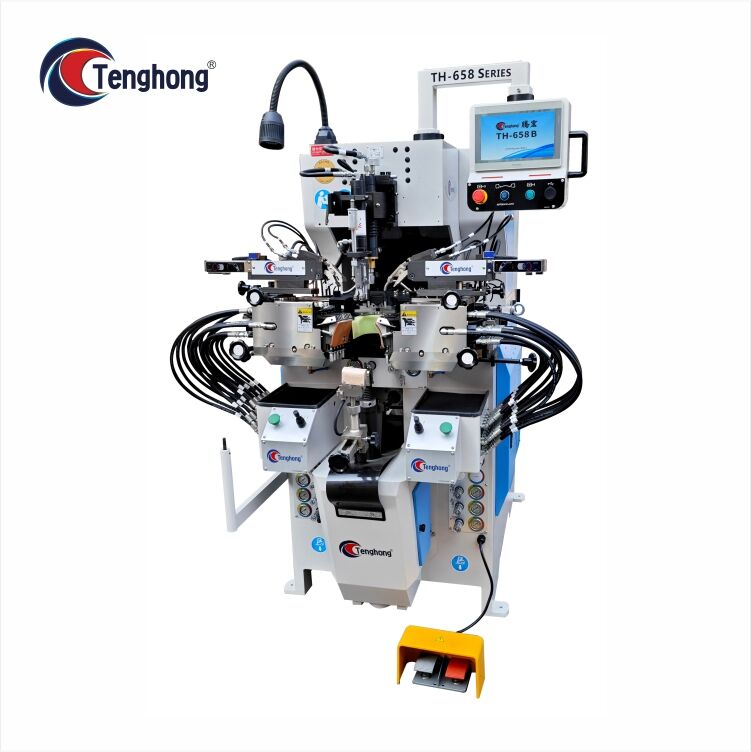
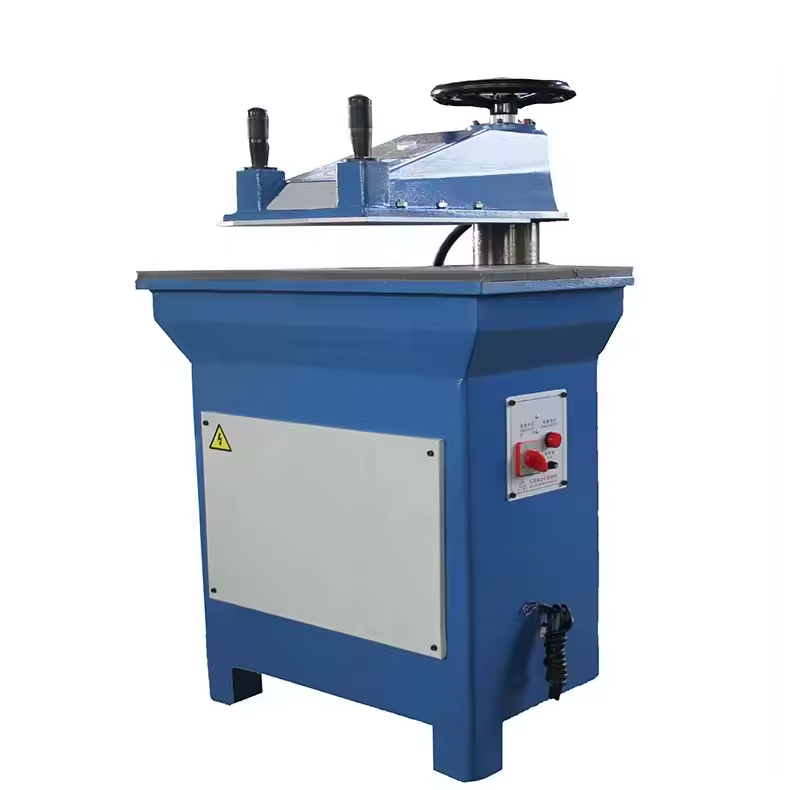
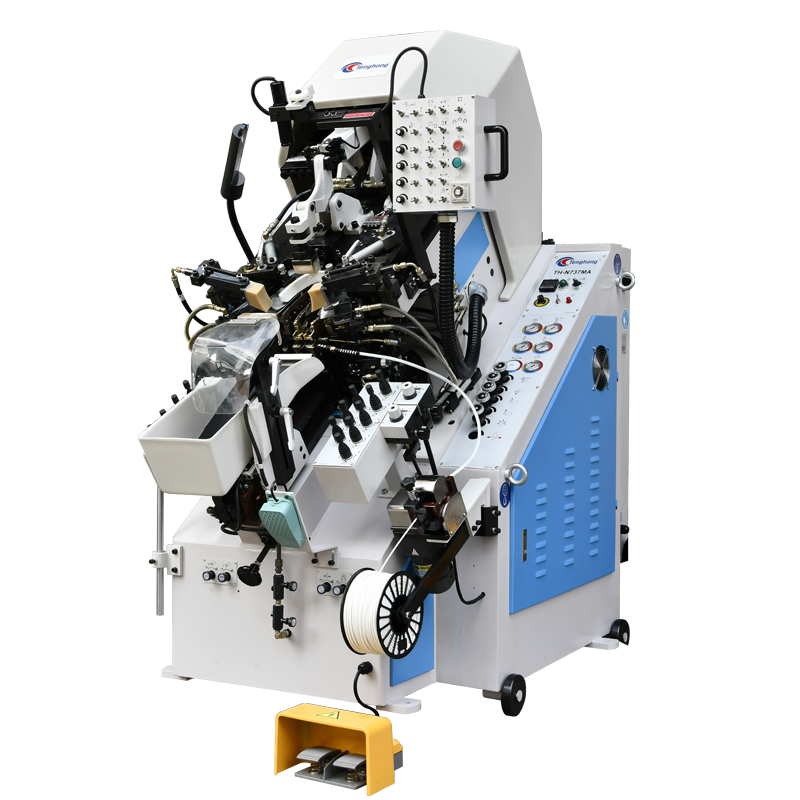
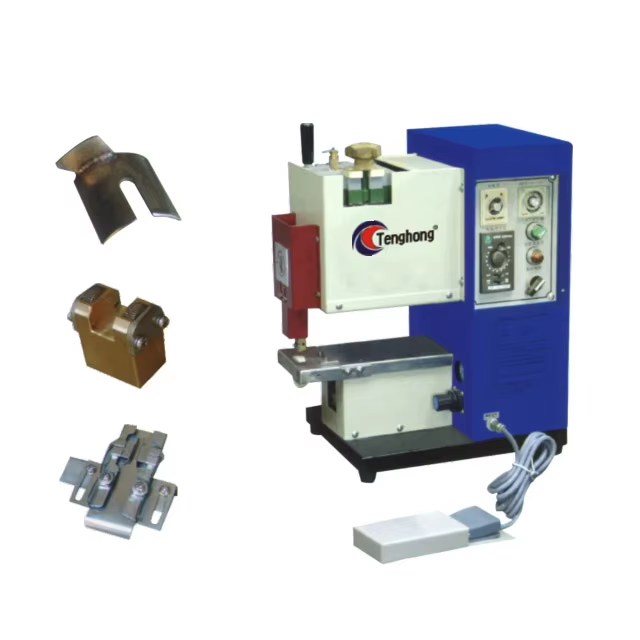
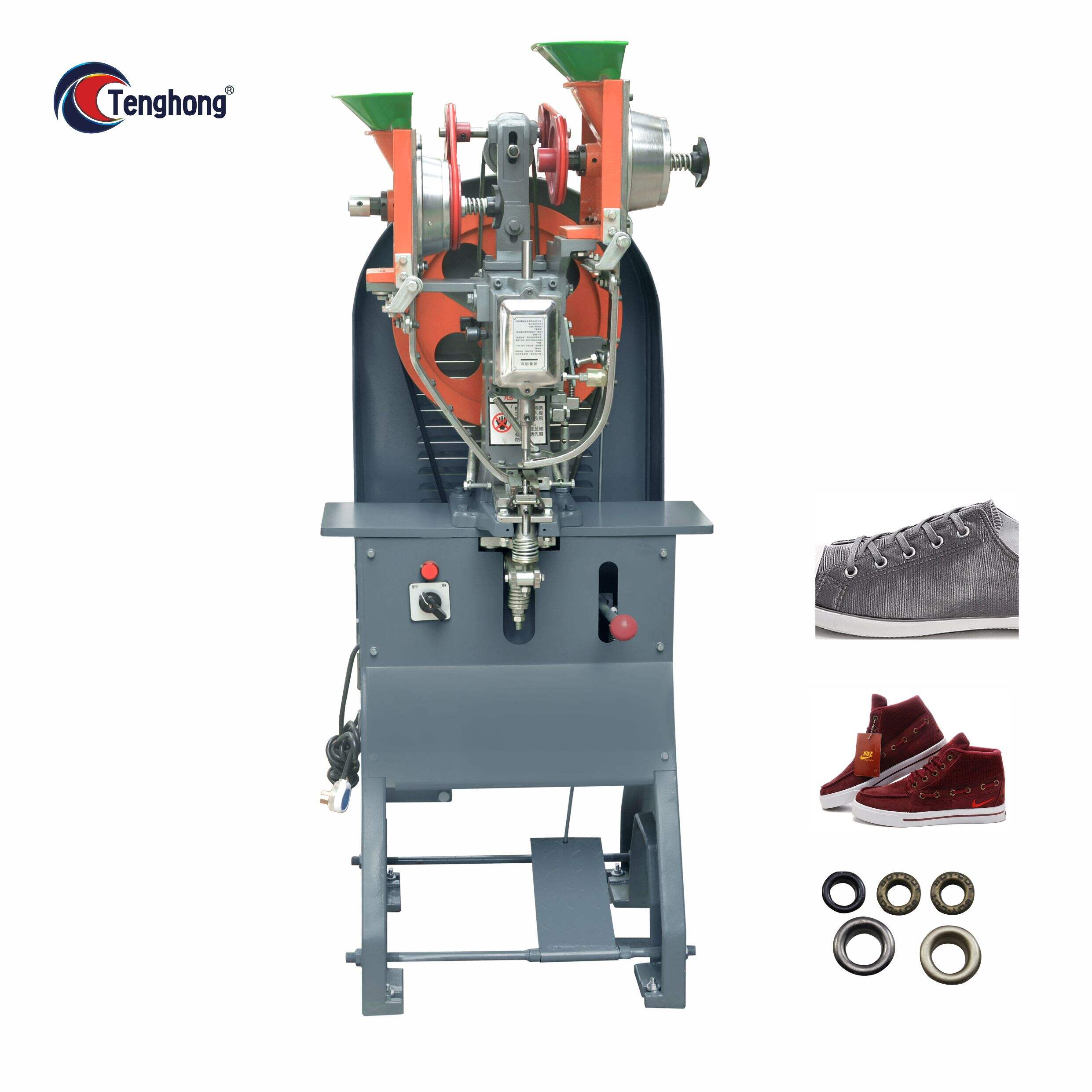
A comprehensive toolkit includes cutting dies, skiving blades, sewing machines, molding presses, finishing grinders, and measuring instruments. Automated tools needed for shoe making integrate PLCs, CNC cutting tables, and robotic handling for industrial lines. Manual tools like awls, hammers, and edge setters remain essential for prototypes and repairs. Energy-efficient motors, dust-extraction systems, and precision molds enhance safety and product consistency. CE/ISO-certified tools needed for shoe making guarantee compliance with export standards. Toolkits can be scaled—basic sets for artisan shops, or complete automated lines for multinational factories—ensuring flexible investment aligned with production goals.

Guangdong Tenghong Machinery Technology Co., Ltd. has been a trusted supplier of tools needed for shoe making and integrated footwear equipment since 2000. Headquartered in Dongguan, the company specializes in aligning engineering reliability with customer-specific requirements. Its catalog spans cutting dies, skiving blades, vulcanizing presses, CNC cutting tables, stitching machines, and finishing tools. By offering both manual and automated tools needed for shoe making, Tenghong supports diverse buyers—from artisan workshops to full-scale OEM factories producing for global brands.

Every Tenghong tool is designed with maintainability and lifecycle value in mind. Cutting dies are precision-milled from hardened alloys, skiving blades use wear-resistant steel, and sewing machines integrate PLC logic for repeatable stitch quality. For factories evaluating tools needed for shoe making, the company emphasizes modularity: molds with interchangeable inserts, presses with adjustable parameters, and CNC systems with firmware upgrade options. This approach ensures scalability without major reinvestments.

Quality assurance is backed by ISO9001 systems and CE/ISO certifications. Each batch of tools needed for shoe making undergoes dimensional checks, load testing, and trial runs on real materials. Traceable parts and clear serial documentation reduce compliance risk in export markets. Beyond hardware, Tenghong provides pre-sale consulting, operator training, and maintenance planning. By integrating these services into the supply package, the company transforms the purchase of tools needed for shoe making into a predictable and cost-controlled investment.

With over 150 engineers and technicians, Tenghong blends mechanical expertise with digital technology. IIoT connectivity, remote diagnostics, and CAD/CAM integration help customers monitor performance and optimize tool usage. Global references include Southeast Asia, Europe, and Latin America, where factories rely on Tenghong’s tools needed for shoe making to maintain high throughput with low scrap. Financing options and structured service agreements further de-risk procurement, making Tenghong a long-term partner rather than a one-time vendor.

FAQ

How do I choose the right tools needed for shoe making for my factory?

Start by mapping production volume, materials, and takt time. Match tools needed for shoe making to required precision and durability. For high-volume plants, prioritize automated dies, PLC-controlled sewing, and quick-change molds. For artisan shops, select ergonomic manual tools. Always verify CE/ISO compliance, maintenance costs, and upgrade options.
Lifecycle costs depend on wear rates, maintenance intervals, and energy use. Durable tools needed for shoe making reduce scrap and rework, while modular upgrades prevent full replacements. Supplier service agreements, spare-part availability, and software updates also shape total cost of ownership.
Yes. High-quality tools needed for shoe making are engineered to process leather, synthetic fabrics, and rubber. Adjustable molds, calibrated cutting dies, and CNC profiles ensure consistent performance across material types. Multi-material capability increases flexibility without requiring separate tool inventories.

More Posts

Key Considerations When Selecting a Shoe Molding Machine for Your Production Line

25

Feb

Key Considerations When Selecting a Shoe Molding Machine for Your Production Line

Explore the intricacies of shoe molding machines, from automating production to enhancing fit and efficiency. Key insights into selecting machinery tailored for specific materials highlight innovations in footwear manufacturing.
View More
Enhancing Shoe Production Efficiency with Automated Lasting Machines

19

May

Enhancing Shoe Production Efficiency with Automated Lasting Machines

Discover the revolutionary features of modern automated lasting machines in shoe production, including hydraulic systems for precision, quick-change pincers, and energy-efficient designs, boosting efficiency and quality for manufacturers.
View More
Sole Attaching Machines: Automating Shoe Assembly for Faster Production Cycles

11

Jul

Sole Attaching Machines: Automating Shoe Assembly for Faster Production Cycles

Discover the role of automation in modern shoe assembly, from robotic precision to AI-driven quality control, and explore how innovations like adaptive gripping technology and modular designs are reshaping the footwear industry.
View More
High-Precision Lasting Machines: Enhancing Fit and Quality in Commercial Shoe Manufacturing

11

Jul

High-Precision Lasting Machines: Enhancing Fit and Quality in Commercial Shoe Manufacturing

Explore the impact of high-precision lasting machines on commercial shoe manufacturing. Learn about advancements in production accuracy, automation, and material handling efficiencies.
View More

Customer Reviews

Anna M.

“Our investment in Tenghong’s tools needed for shoe making delivered immediate results. Cutting accuracy improved, scrap fell by 15%, and operator fatigue dropped. Training included in the package made adoption smooth. The tools exceeded our expectations.”

Samuel T.

“As a small workshop, scalability was vital. Tenghong offered modular tools needed for shoe making that could grow with our business. Even at artisan scale, the quality matched industrial standards. Their team helped us configure exactly what we needed.”

Diego R.

“Lifecycle value convinced us. The tools needed for shoe making came with clear maintenance intervals and reliable spare-part support. After six months, uptime has been consistent, and our cost per pair is down despite higher initial investment.”

Get a Free Quote

Our representative will contact you soon.
Email
Name
Company Name
Message
0/1000
Precision Tools Reduce Material Waste and Defects

Precision Tools Reduce Material Waste and Defects

Certified tools needed for shoe making ensure accurate cuts and bonds, reducing scrap while boosting first-pass yield.
Ergonomic Designs Protect Operators in Long Shifts

Ergonomic Designs Protect Operators in Long Shifts

Balanced, low-vibration tools needed for shoe making improve operator comfort, lowering errors and absenteeism.
Modular Systems Future-Proof Factory Investments

Modular Systems Future-Proof Factory Investments

Scalable tools needed for shoe making allow upgrades without major reinvestments, protecting budgets over time.

Related Search